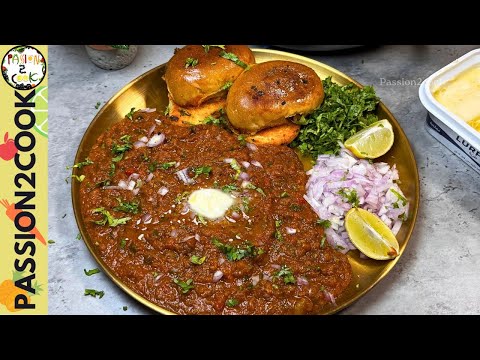
There’s a reason Pav Bhaji Masala Recipe searches never slow down—this dish isn’t just food, it’s a full sensory experience. Rich, spicy, buttery, and deeply satisfying, pav bhaji brings together mashed vegetables and bold spices into something far greater than the sum of its parts. But most people get one thing wrong: they treat it like a basic curry instead of building layers of flavour.
At its core, the magic lies in the Homemade Pav Bhaji Masala. Store-bought versions are convenient, but they flatten the flavour profile. When you roast and grind your own spices, you control aroma, heat, and depth. That’s the difference between something that tastes “okay” and something that instantly reminds you of a bustling street cart in Mumbai.

Mumbai Street Style Pav Bhaji: Why It Hits Different
Authentic Mumbai Street Style Pav Bhaji is unapologetically bold. It’s not subtle, it’s not light, and it’s definitely not shy on butter. Street vendors cook on large flat tawas, constantly mashing, roasting, and layering flavors until the bhaji reaches a thick, glossy consistency.
What makes it stand out is technique, not just ingredients. The vegetables are cooked down until completely soft, then aggressively mashed to create a smooth base. Spices are roasted properly, not just mixed in. Butter is added in stages, not dumped all at once. These small decisions create that signature taste people try (and often fail) to replicate at home.
Homemade Pav Bhaji Masala: The Real Game Changer
If you want control over flavour, you need to focus on your Homemade Pav Bhaji Masala. This is where depth is built. Whole spices like coriander seeds, cumin, fennel, cinnamon, cloves, and star anise bring warmth and complexity. Kashmiri chillies add colour without overpowering heat, while kasoori methi gives that slightly bitter, addictive finish.
Grinding your own masala also lets you adjust intensity. Want it spicier? Increase pepper or chilli. Prefer a more aromatic profile? Lean into cardamom and fennel. This flexibility is something pre-made powders simply cannot offer. More importantly, freshly ground masala releases oils that make the bhaji smell incredible even before the first bite.
Buttery Pav Bhaji Recipe: Indulgence Done Right
Let’s be honest—calling it a Buttery Pav Bhaji Recipe isn’t optional, it’s accurate. Butter is not just a garnish here; it’s a core ingredient that binds everything together. It softens the sharpness of spices, enhances texture, and gives the bhaji that signature glossy finish.
But there’s a mistake people often make: adding too much butter at the wrong time. Butter should be layered—some at the beginning for sautéing, some during spice roasting, and a final touch at the end for richness. This creates balance instead of heaviness. Done right, the bhaji feels rich but not greasy, indulgent but not overwhelming.
Easy Pav Bhaji at Home: What Most People Get Wrong
Making Easy Pav Bhaji at Home sounds simple, but “easy” doesn’t mean careless. The biggest mistake is rushing the cooking process. Undercooked onions, raw-tasting spices, or poorly mashed vegetables can completely ruin the dish.
Another common issue is texture. Pav bhaji isn’t supposed to be chunky like a sabzi. It should be smooth, thick, and cohesive. This requires proper mashing and enough cooking time for everything to blend together. Skipping this step results in something that looks like pav bhaji but doesn’t taste like it.
Water control is another overlooked factor. Too much water makes the bhaji soupy, while too little makes it dry and heavy. The goal is a thick, scoopable consistency that clings to the pav.
The Role of Vegetables: More Than Just Fillers
A good pav bhaji balances multiple vegetables—potatoes for body, cauliflower for texture, peas for sweetness, and carrots for subtle depth. Beetroot, when used carefully, enhances colour without overpowering flavour.
The key is proportion. Too much potato makes it bland. Too much beetroot makes it sweet. The right balance creates a naturally rich base that complements the spices instead of competing with them.
Flavour Building: Layer by Layer
Great pav bhaji is built in stages. First comes the base—onions, ginger, garlic—cooked until aromatic. Then, vegetables are added and broken down. Spices follow, and this is where patience matters. They need time to roast properly and release their oils.
Finally, everything is combined and mashed into a unified mixture. This is where the transformation happens. Individual ingredients disappear, and what remains is a bold, cohesive flavour that defines pav bhaji.
Toasting the Pav: The Underrated Step
You can’t talk about pav bhaji without addressing the pav itself. Soft buns toasted in butter with a touch of spice and coriander elevate the entire dish. This step is often treated as an afterthought, but it shouldn’t be.
The contrast between the crisp, buttery exterior and the soft interior of the pav is essential. It complements the rich bhaji and adds texture to every bite. Skipping proper toasting weakens the overall experience.
Serving It Right: Small Details, Big Impact
Presentation might seem secondary, but it plays a role in perception. A dollop of butter melting over hot bhaji, a sprinkle of fresh coriander, finely chopped onions on the side, and a wedge of lemon—all of these enhance both flavour and visual appeal.
Lemon juice, in particular, is crucial. It cuts through the richness and balances the dish. Without it, the bhaji can feel heavy. With it, every bite feels fresh and vibrant.
Why This Dish Never Goes Out of Style
The reason pav bhaji remains so popular is simple—it delivers on every level. It’s comforting, indulgent, flavorful, and customizable. Whether you’re recreating Mumbai Street Style Pav Bhaji or experimenting with your own twist, the fundamentals remain the same: balance, texture, and bold flavour.
Master those, and you don’t just make pav bhaji—you create something people come back for.


Pav Bhaji Masala Recipe: Ultimate Buttery Street-Style Perfection
Ingredients
To Pressure Cook veggies
For Pav Bhaji Masala
For Bhaji Base
To toast Pav
Preparation
Pressure Cook & Mash Vegetables
- Add potato, cauliflower, carrot, green peas, beetroot, salt, and water to a pressure cooker.
- Cook for 3–4 whistles until completely soft.
- Mash thoroughly while still hot and set aside.
→ Don’t leave chunks—texture is what separates average from great pav bhaji.
Prepare Pav Bhaji Masala
- Heat a pan and dry roast bay leaf, cinnamon, cardamom, cumin seeds, fennel seeds, coriander seeds, star anise, cloves, and peppercorns until aromatic.
- Remove and let cool.
- In the same pan, lightly roast Kashmiri chillies and kasoori methi.
- Transfer everything to a grinder, add turmeric, aamchur powder, and salt.
Grind into a fine powder.
→ Fine texture matters—coarse masala will ruin the mouthfeel.
Build the Bhaji Base
- Heat butter and oil in a pan.
- Add cumin seeds and let them splutter.
- Add finely chopped onion and sauté until soft and translucent.
- Add ginger-garlic paste and cook for 1 minute (remove raw smell).
Cook the Vegetables (Flavor Base)
- Add capsicum and tomato.
- Cook on high flame, stirring continuously, until soft and slightly mushy.
→ Don’t rush this—this step builds depth.
Add Spices & Roast
- Add turmeric, chilli powder, pav bhaji masala, and kasoori methi.
- Mix well and cook until the oil starts separating.
→ If oil doesn’t separate, your base isn’t cooked properly.
Intensify with Chilli Butter
- Push the masala to the sides.
- Add butter in the centre, then add Kashmiri chilli paste.
- Cook for 3–4 minutes until the oil separates again.
→ This is where colour + richness comes from. Don’t skip or undercook.
Combine & Mash
- Add mashed vegetables and mix thoroughly.
- Pour in hot water and simmer for 3–4 minutes.
- Mash everything together directly in the pan until smooth and thick.
→ Classic pav bhaji is semi-smooth, not chunky.
Finish the Bhaji
- Add chopped coriander leaves and lemon juice.
- Mix and adjust consistency if needed.
Toast the Pav
- Heat butter in a pan, add chilli powder and coriander leaves.
- Slice pav buns and toast on both sides until lightly crisp and golden.
Serve
- Serve hot bhaji with buttered pav.
- Garnish with chopped onions, coriander, and a squeeze of lemon.