What Is Ramassery Idli?
Ramassery Idli Recipe is one of Kerala’s most treasured traditional breakfast recipes, known for its unbelievably soft texture and unique cloth-steaming method. Unlike regular idlis prepared in metal idli moulds, Kerala Ramassery Idli is steamed on a muslin cloth stretched tightly over a clay pot. This centuries-old cooking technique gives the idli its signature light, fluffy texture and delicate taste.
Originating from the peaceful village of Ramassery in the Palakkad district of Kerala, this famous breakfast has become a symbol of the region’s rich culinary heritage. Even today, families in the village continue to preserve this traditional recipe using the same time-tested methods passed down through generations.

The Rich Tradition Behind Ramassery Idli
Ramassery Idli is much more than a breakfast dish—it’s a living tradition. The recipe has been carefully handed down through generations, preserving the authentic flavours and cooking techniques that make it so special.
The simplicity of the ingredients, combined with patience and traditional preparation, has helped Ramassery Idli earn its reputation as one of Kerala’s most iconic heritage foods. Food lovers from across India visit Ramassery to experience this unique delicacy prepared using the original steaming method.
Why Ramassery Idli Is Different
What makes Ramassery Idli Recipe truly unique is the way it is steamed. Most idlis are cooked in stainless-steel idli moulds, producing a uniform shape and texture. Ramassery Idli, however, follows a completely different approach.
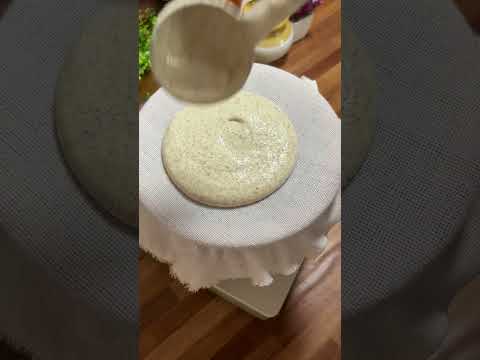
Instead of moulds, the fermented batter is poured directly onto a tightly stretched muslin cloth placed over a steaming clay pot. This traditional method allows the steam to circulate evenly around the batter, resulting in an exceptionally soft, airy, and moist idli that simply melts in the mouth.
This is why Cloth Steamed Idli has a texture that is difficult to replicate using modern idli plates.
The Unique Cloth-Steaming Method
One of the highlights of this Palakkad Special Idli is its traditional steaming process.
A clay pot is partially filled with water and heated until it begins to boil. The mouth of the pot is tightly covered with a clean muslin cloth and secured firmly. A ladleful of fermented batter is gently poured onto the cloth and spread slightly before covering it with a lid.
The batter cooks entirely by steam, producing an incredibly soft idli. Once cooked, it is carefully lifted from the cloth using a spatula without breaking its delicate structure.
This age-old steaming method continues to be the hallmark of authentic Ramassery Idli.
The Secret Behind Its Soft Texture
The remarkable softness of Kerala Ramassery Idli comes from its carefully balanced batter and natural fermentation. Traditionally, the batter is prepared using idli rice, urad dal, cooked rice, and a small amount of fenugreek seeds, creating the perfect balance of softness and structure.
The addition of cooked rice gives the idlis their signature fluffy texture, while urad dal helps create a light, airy batter after fermentation. As the batter ferments overnight, natural air pockets develop, resulting in soft, pillowy idlis that are light yet satisfying.
Many traditional home cooks also gently mix the batter with their hands before fermentation, a time-honoured practice believed to encourage better fermentation and enhance the final texture.
Why the Clay Pot Matters
The clay pot plays an important role in achieving the authentic texture of Ramassery Idli Recipe.
Clay retains and distributes heat gently, creating a consistent flow of steam throughout the cooking process. Combined with the muslin cloth, it allows the batter to steam evenly without becoming dry or dense.
Although modern steamers are convenient, many home cooks still prefer the traditional clay pot because it recreates the original taste and texture associated with this famous Kerala delicacy.
A Perfect Breakfast Companion
The mild flavour and delicate texture of Ramassery Idli make it incredibly versatile.
It pairs beautifully with coconut chutney, peanut chutney, tomato chutney, sambar, vegetable kurma, and other traditional South Indian side dishes. The soft idli absorbs the flavours of these accompaniments perfectly, making every bite comforting and satisfying.
Whether served for breakfast or dinner, Ramassery Idli is a wholesome meal enjoyed by people of all ages.
A Heritage Recipe Worth Preserving
As more people rediscover traditional foods, Traditional Kerala Recipes like Ramassery Idli are gaining renewed appreciation.
The recipe celebrates simple ingredients, natural fermentation, and traditional cooking techniques that have stood the test of time. It reminds us that some of the most memorable dishes are created not through complicated methods, but through patience, care, and generations of culinary wisdom.
Final Thoughts
If you’re looking to experience an authentic taste of Kerala, Ramassery Idli Recipe is a must-try. Its unique cloth-steaming technique, naturally fermented batter, and unbelievably soft texture make it unlike any ordinary idli.
Whether you’re exploring Kerala Ramassery Idli, searching for an authentic Cloth Steamed Idli, discovering a Palakkad Special Idli, or simply enjoying Traditional Kerala Recipes, this timeless breakfast is a beautiful example of Kerala’s rich food heritage. Soft, wholesome, and steeped in tradition, Ramassery Idli continues to win hearts with every bite.
Frequently Asked Questions (FAQs)
1. What is Ramassery Idli?
Ramassery Idli is a traditional breakfast delicacy from the village of Ramassery in Palakkad, Kerala. It is famous for its soft, fluffy texture and unique cloth-steaming method, which sets it apart from regular idlis.
2. Why is Ramassery Idli different from regular idli?
Unlike regular idlis that are steamed in metal moulds, Ramassery Idli is traditionally steamed on a muslin cloth stretched over a clay pot. This method creates a lighter, softer, and more delicate texture.
3. Why is Ramassery Idli steamed on a cloth?
The muslin cloth allows steam to circulate evenly while preventing excess moisture from collecting on the batter. This traditional technique gives the idli its signature soft and airy texture.
4. Can I make Ramassery Idli without a clay pot?
Yes. If a clay pot is not available, you can use a wide steaming vessel or pot and securely tie a clean muslin cloth over the top. While the texture may vary slightly, you can still achieve soft, delicious idlis.
5. What is the best accompaniment for Ramassery Idli?
Ramassery Idli pairs wonderfully with coconut chutney, peanut chutney, tomato chutney, sambar, vegetable kurma, or mildly spiced curries.
6. Is Ramassery Idli healthy?
Yes. Ramassery Idli is naturally fermented, steamed instead of fried, and made using simple ingredients like rice and urad dal. It is light, easy to digest, and makes a wholesome breakfast.
7. Can I use a regular idli mould instead of the cloth-steaming method?
You can use an idli mould, but the texture will not be the same. The traditional cloth-steaming method gives Ramassery Idli its distinctive softness and airy consistency.
8. How long should the batter be fermented?
The batter is usually fermented overnight or for about 8–12 hours, depending on the weather. Proper fermentation is essential for achieving soft and fluffy idlis.
9. Why is cooked rice added to the batter?
Cooked rice helps create the signature soft, moist, and fluffy texture that Ramassery Idli is known for.
10. Can I store the batter for later use?
Yes. After fermentation, store the batter in the refrigerator for up to 2–3 days. Mix it gently before steaming the idlis.


Ramassery Idli Recipe – The Authentic Kerala Classic
Ingredients
For Ramassery Idli
Instructions
For soaking
Wash and soak idli rice, black urad dal, and urad dal for 4 hrs.
To Grind
Add the soaked ingredients to a grinding jar. Add 1 cup cooked rice and 1 cup water and grind to a smooth batter.
For Fermentation
Transfer the batter to a deep-bottomed vessel. Mix the batter with your hands for better fermentation. Allow to ferment overnight.
To Steam Ramassery Idly
After fermentation, add salt and mix well; the batter is ready to Steam. Set a clay pot with water, and cover the mouth of the pot tightly with a muslin cloth. Once the water begins to boil, add a ladleful of batter to the muslin cloth, cover, and allow to cook for 5 minutes. After 5 minutes, gently remove from the cloth using a spatula and serve with chutney and sambar.