


If you’re looking for a Sweet potato paratha recipe that’s both nourishing and satisfying, this version is a must-try. Combining traditional flavours with a modern healthy twist, this dish fits perfectly into the category of a Ragi paratha recipe healthy option. It’s not just another flatbread—it’s a Healthy stuffed paratha Indian style, packed with nutrients and balanced flavours that make it ideal for everyday meals.
What makes this dish even more appealing is the unique combination of ingredients. This Sweet potato paneer paratha delivers a soft, mildly sweet filling balanced with spices and protein-rich paneer. As part of high-fibre Indian breakfast recipes, it keeps you full for longer while supporting digestion and energy levels throughout the day.
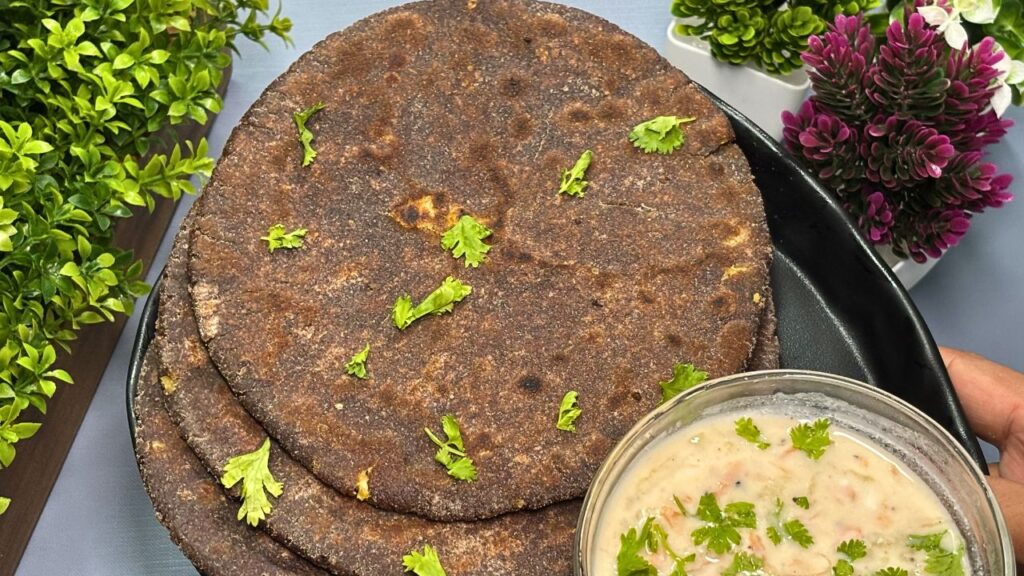
Most parathas rely heavily on potatoes or paneer alone, but this indian version of healthy stuffed paratha brings a completely different profile. It adds natural sweetness, moisture, and a rich source of fibre and vitamins. Unlike regular aloo paratha, this version feels lighter on the stomach while still being deeply satisfying.
The addition of ragi flour further elevates the nutritional value. Ragi is known for its high calcium and fibre content, making this paratha a smart choice for those who want to eat clean without giving up traditional foods.
This ragi paratha recipe strikes a rare balance—comfort food that doesn’t feel heavy. The sweet potato provides complex carbohydrates, while paneer contributes protein and a creamy texture. Together, they create a filling that is both rich and well-rounded.
The spices are kept moderate, allowing the natural flavours to shine. Ginger, garlic, and green chilli add depth without overpowering the dish. This makes it suitable for a wide range of preferences, from mild to moderately spiced palates.
When it comes to breakfast, most people either go too light or too heavy. This sweet potato paratha solves that problem. It provides sustained energy without the post-meal sluggishness that often comes with oily or refined flour-based dishes.
Because of its fibre content and slow-digesting carbs, it keeps hunger in check for longer periods. That makes it a strong contender not just for breakfast, but also for lunchboxes and even light dinners.
Ragi is often underused despite being one of the most nutritious grains available. Incorporating it into everyday recipes like parathas is a practical way to improve your diet without drastic changes.
In this healthy version of ragi paratha recipe, ragi flour blends with wheat flour to create a dough that is both soft and slightly earthy in flavour. It enhances the texture while adding a nutritional edge, making the paratha more than just a traditional dish.
A good paratha is defined by its texture. This ragi paratha recipe delivers a crisp outer layer with a soft, flavorful filling inside. The ghee used during cooking adds a golden finish and enhances the overall taste without making it greasy.
The key is balance—too much filling can break the paratha, while too little makes it dry. When done right, each bite offers a perfect mix of crispness and softness.
If you’re trying to eat healthier or manage your weight, this paratha fits in well. It avoids refined flour and uses nutrient-dense ingredients that provide satiety.
Sweet potatoes have a lower glycemic impact compared to regular potatoes, and ragi helps regulate blood sugar levels. Combined with paneer, this creates a meal that supports balanced eating rather than empty calorie consumption.
One of the biggest advantages of this paratha is its versatility. It pairs well with simple accompaniments like curd, raita, or pickle. You don’t need elaborate side dishes to enjoy it fully.
It can also be packed for travel or work, as it stays soft for hours. This makes it a practical option for busy days when you need something homemade yet convenient.
Indian cuisine is evolving, and recipes like this show how traditional dishes can be adapted for modern lifestyles. By combining classic techniques with healthier ingredients, you get the best of both worlds.
This paratha respects the roots of Indian cooking while aligning with current preferences for clean, balanced meals. It’s not about reinventing food completely—it’s about improving what already works.
Many people struggle with stuffed parathas, and the issues are usually basic. Overstuffing leads to breakage, while uneven rolling causes the filling to spill out.
Another common mistake is cooking on high heat. This results in a burnt exterior and an undercooked interior. Medium heat ensures even cooking and better texture.
Paying attention to these small details makes a noticeable difference in the final result.
From a content perspective, this recipe checks multiple boxes. It targets health-conscious audiences, traditional food lovers, and those looking for easy homemade meals.
The inclusion of keywords like sweet potato, ragi, and high fibre aligns with current search trends. This increases the chances of your content being discovered by users actively looking for healthier Indian recipes.
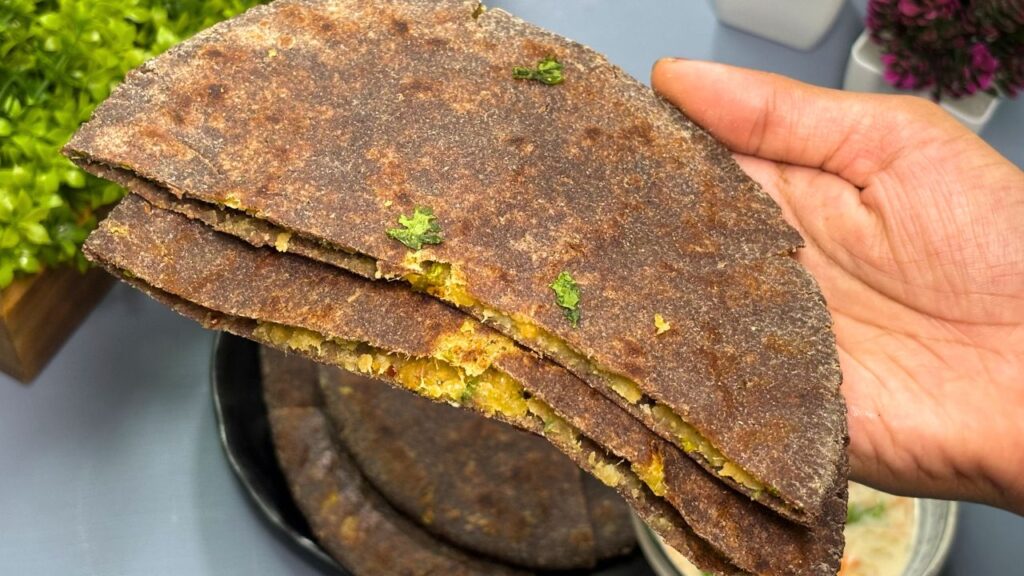
This Sweet Potato Paratha is more than just a recipe—it’s a practical way to bring healthier choices into your daily routine without sacrificing taste. It’s simple, adaptable, and rooted in familiar flavors, making it easy to include in regular meal planning.
If you’re aiming to create food content that is both valuable and searchable, this dish is a strong addition. It appeals to a wide audience while maintaining a clear focus on health and simplicity.
Peel and chop the sweet potatoes into medium-sized pieces. Steam them until soft and fully cooked.
Once done, mash them smoothly and keep aside.
In a grinding jar, add ginger, garlic, and green chillies. Grind coarsely (not a paste) to retain texture.
Add the crushed spice mix to the mashed sweet potatoes.
Mix in salt, coriander powder, garam masala, crushed chilli, chopped coriander leaves, and crumbled paneer.
Combine everything well until evenly mixed. Set aside.
In a mixing bowl, combine ragi flour, wheat flour, salt, and ajwain.
Gradually add hot water and knead into a soft dough.
Add 1 tsp oil, coat the dough, and let it rest for 10–15 minutes.
After resting, knead the dough briefly again.
Divide into medium-sized balls.
Flatten each ball slightly and create a hollow in the centre.
Place the sweet potato filling inside, bring the edges together, and seal.
Gently flatten the stuffed dough and roll it using a rolling pin.
Dust with flour if needed to prevent sticking.
Heat a tawa and place the rolled paratha on it.
Cook on medium heat, flipping occasionally.
Apply ghee on both sides and cook until golden brown with crisp spots.
Serve hot with raita, curd, or pickle for a complete meal.