


Vattalappam recipe lovers know that few desserts can match the rich flavor and silky texture of this beloved treat. Sri Lankan Vattalappam is a traditional steamed pudding made with eggs, coconut milk, and sweeteners such as jaggery or sugar. Often described as a steamed egg pudding, it is cherished for its smooth, custard-like consistency and fragrant aroma. This traditional steamed dessert has become popular across Sri Lanka, Kerala, and many other parts of the world where coconut-based sweets are enjoyed.
As a classic coconut milk dessert, Vattalappam combines simple ingredients to create an elegant and satisfying sweet dish. Whether served during festive celebrations, family gatherings, or special occasions, this dessert continues to win hearts with its creamy texture and delicate sweetness. The combination of eggs and coconut milk creates a luxurious pudding that feels both comforting and indulgent.
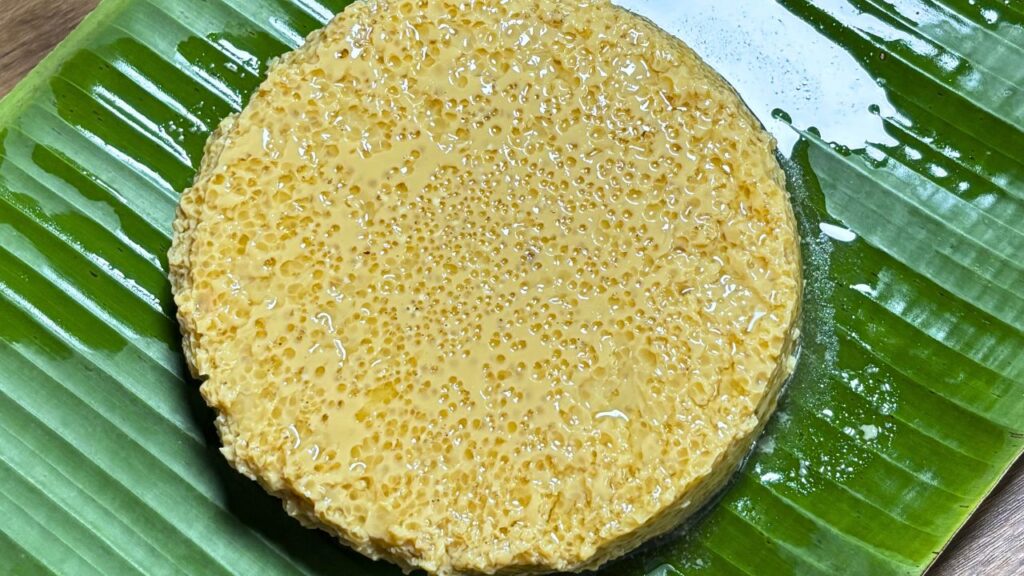
Vattalappam is a steamed custard pudding traditionally associated with the Sri Lankan Muslim community. Over time, its popularity spread beyond cultural boundaries, making it a favorite dessert across South Asia and among global food enthusiasts.
The dessert is known for its silky consistency, glossy appearance, and rich coconut flavor. Unlike baked custards, Vattalappam is gently steamed, resulting in a soft and delicate texture that melts in the mouth. Its simple ingredients and timeless appeal make it a treasured recipe passed down through generations.
Food often tells a story, and Vattalappam is no exception. This traditional dessert is commonly prepared during festive occasions, religious celebrations, weddings, and family gatherings. It is especially popular during Ramadan and Eid, when rich desserts are shared with loved ones.
Many families have their own version of the recipe, with slight variations in sweetness, spices, and garnishes. These treasured family recipes reflect the deep cultural connections that food creates across generations.
One of the defining characteristics of Vattalappam is the use of coconut milk. Thick coconut milk contributes to the pudding's luxurious mouthfeel and rich flavor profile.
Coconut milk provides natural creaminess without requiring additional dairy products. Its subtle sweetness complements the eggs beautifully, creating a harmonious balance of flavors. This ingredient also gives the dessert its signature tropical aroma that makes it instantly recognizable.
Because coconut milk is widely used in South Asian cuisine, it plays an important role in many traditional desserts and savory dishes alike.
A perfectly prepared Vattalappam should have a smooth, silky, and slightly jiggly texture. The steaming process allows the eggs to set gently, creating a delicate custard rather than a dense pudding.
This texture is one of the reasons why Vattalappam stands out among traditional desserts. It feels light yet rich at the same time, offering a satisfying experience with every spoonful.
The gentle wobble of a well-made pudding is often considered a sign of proper cooking and careful preparation.
Although variations exist, most Vattalappam recipes rely on a handful of essential ingredients. Eggs provide structure and richness, while coconut milk contributes creaminess. Sweeteners such as jaggery or sugar add depth and sweetness.
Some versions include aromatic spices that enhance the overall flavor. These subtle additions create layers of taste without overpowering the natural richness of the pudding.
The result is a dessert that feels sophisticated despite being made from simple pantry ingredients.
Steaming has long been used in traditional cooking techniques throughout Asia. For Sri Lankan Vattalappam, steaming offers several advantages over baking.
The moist cooking environment helps prevent the custard from drying out, ensuring a smooth and creamy texture. It also allows the pudding to cook evenly from edge to center.
Because steaming is a gentle cooking method, it preserves the delicate structure of the eggs and helps achieve the signature silky consistency that makes Vattalappam so beloved.
Vattalappam is versatile enough to be served throughout the year. It can be enjoyed as a festive dessert, a dinner party finale, or a comforting homemade treat.
Its elegant appearance makes it suitable for celebrations, while its simple ingredient list makes it accessible for everyday cooking. Whether served chilled or at room temperature, the pudding remains a crowd-pleaser.
Many people appreciate how the dessert feels rich and indulgent without being overly heavy.
In recent years, traditional steamed desserts have gained renewed attention among food enthusiasts seeking authentic recipes. Vattalappam has become increasingly popular on food blogs, social media platforms, and cooking channels.
Its visually appealing presentation, smooth texture, and cultural heritage make it an attractive choice for both home cooks and professional chefs. As interest in traditional cuisines grows, more people are discovering the charm of this classic steamed pudding.
Food creators often highlight its creamy texture and simple ingredients, introducing it to audiences around the world.
Presentation can enhance the enjoyment of any dessert. Vattalappam is often served chilled, allowing the flavors to develop fully and the texture to set perfectly.
A clean slice or neatly portioned serving showcases the pudding's smooth interior. Garnishes such as nuts can add visual appeal and texture contrast, making each serving feel even more special.
The dessert pairs beautifully with tea, coffee, or after-meal refreshments, making it suitable for both casual and formal gatherings.
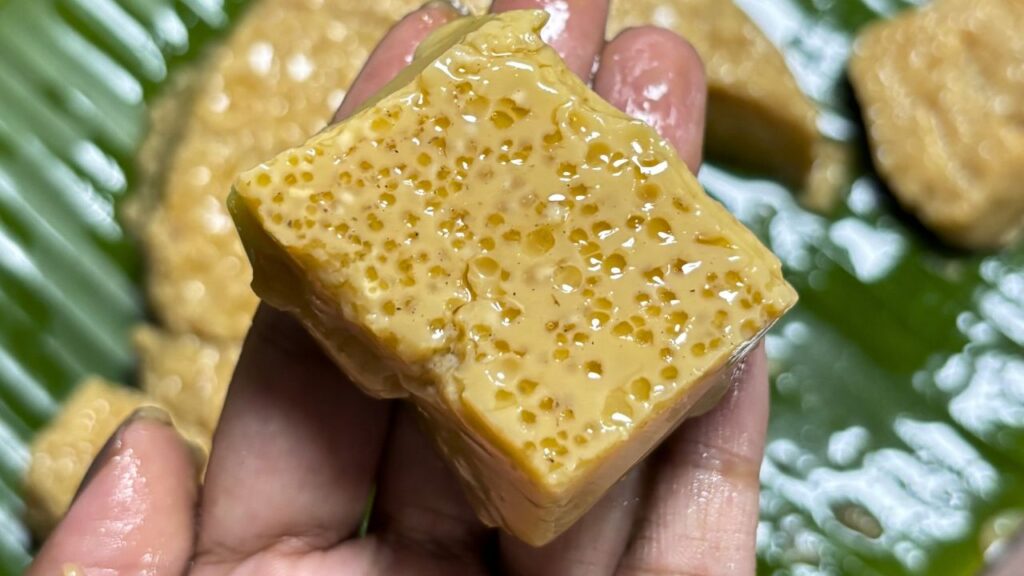
If you enjoy custards, puddings, and coconut-based sweets, Vattalappam deserves a place on your dessert list. Its rich flavor, creamy texture, and cultural significance make it far more than just another pudding.
This traditional steamed dessert represents the beauty of simple ingredients transformed into something truly memorable. From its silky texture to its comforting flavor, every bite reflects generations of culinary tradition.
Whether you are exploring Sri Lankan cuisine for the first time or revisiting a cherished family favorite, Vattalappam offers a delicious experience that celebrates the timeless appeal of homemade desserts.
Break 3 eggs into a bowl, whisk until frothy, and add 1 cup Thick coconut Milk and whisk until well combined.
Add 3 tbsp sugar to a heated pan, and caramelize the sugar. Once the sugar melts and turns dark golden, add the jaggery and cook until it melts. Once the syrup starts to boil, switch off the flame.
Gradually pour the hot jaggery syrup into the egg mixture while whisking continuously.(This helps prevent the eggs from scrambling)
Strain and pour the mixture into a greased mold. Cover with a lid or aluminium foil.
Place the tray in the steamer. Steam for 35 - 40 minutes.
Check doneness by inserting a toothpick. It should come out clean or with just a few moist crumbs. The edges should be set, and only the very center should have a slight wobble (like a baked cheesecake).
Turn off the heat and let the Vattalappam rest for 5–10 minutes. Cool completely before refrigerating for 3 hours. Chilling helps it set fully and gives the best texture.
Once fully chilled, gently demold the Vattalappam, cut into slices, and serve.