


Jackfruit Unniyappam Recipe is a delicious Kerala sweet made with ripe jackfruit, jaggery, pathiri podi, wheat flour, rava, coconut, sesame seeds, ghee, and cardamom. This delightful Chakka Unniyappam has a beautifully golden exterior, a soft and flavorful centre, and the unmistakable aroma of ripe jackfruit. It is a much-loved Kerala Tea Time Snack and a wonderful way to enjoy one of Kerala's most treasured seasonal fruits.
This version is an Instant Unniyappam, making it convenient when you want a traditional-tasting sweet without a long fermentation process. Among classic Chakka Recipes, this one stands out for its combination of ripe jackfruit and jaggery, enhanced with fried coconut, black sesame, ghee, and cardamom. The result is a delicious homemade treat with a crisp, caramelized outside and soft, fruity inside.
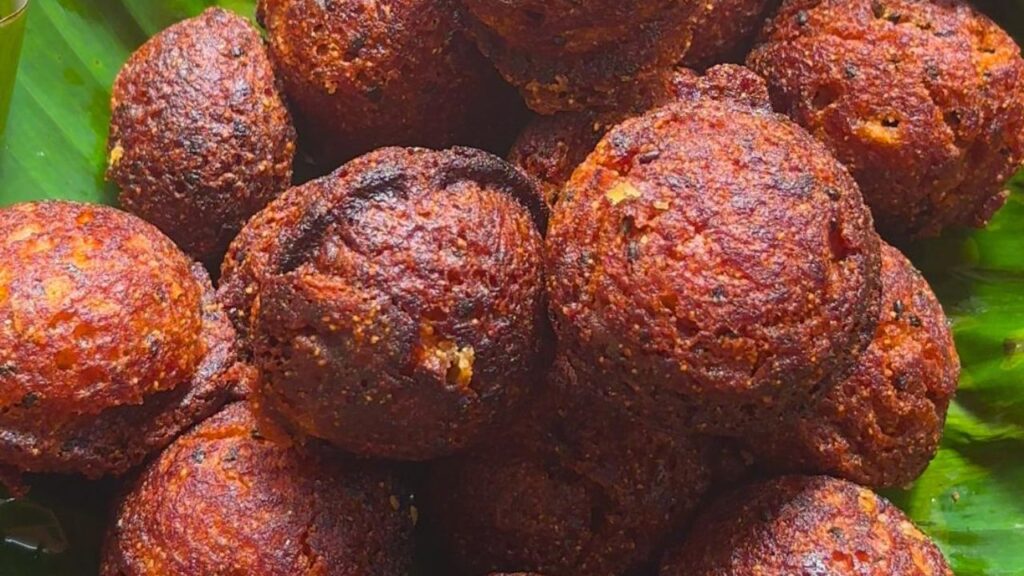
Unniyappam is a traditional Kerala snack or sweet made in a special pan with small round cavities.
The name is often associated with unni, meaning small, and appam, referring to a type of cake or pancake.
It is traditionally prepared using ingredients such as rice flour or ground rice, jaggery, banana, coconut, sesame seeds, and cardamom.
The batter is poured into an unniyappam pan, which gives the snack its distinctive round shape.
Each piece develops a beautifully browned exterior while remaining soft and flavorful inside.
Unniyappam has a special place in Kerala's traditional food culture.
It is more than just an everyday snack. For many families, the aroma of freshly cooked unniyappam brings memories of festivals, temples, family gatherings, and special occasions.
The recipe can vary from home to home.
Some versions use banana for softness, while others focus on rice, jaggery, coconut, and spices.
This jackfruit version adds ripe jackfruit puree for an intensely aromatic and naturally fruity variation.
Jackfruit is deeply connected to Kerala's food traditions.
During the jackfruit season, ripe fruit is enjoyed fresh and is also used in numerous traditional preparations.
Its naturally sweet, fragrant flesh pairs exceptionally well with jaggery.
When incorporated into unniyappam, jackfruit gives the snack a wonderful aroma and a soft, moist texture.
The combination of jackfruit, jaggery, coconut, sesame, ghee, and cardamom creates layers of traditional Kerala flavor in every bite.
One of the best things about this recipe is its convenience.
Traditional unniyappam recipes may involve soaking and grinding rice or allowing the batter to ferment.
This version simplifies the process by using pathiri podi, wheat flour, and rava along with ripe jackfruit puree.
There is no lengthy fermentation period.
That makes this an excellent choice when you want to enjoy homemade unniyappam without planning too far ahead.
Despite being quick to make, the finished snack still has the familiar flavor and appearance of a traditional Kerala unniyappam.
A good unniyappam should have a beautifully browned exterior and a soft centre.
The combination of ingredients in this recipe helps create that contrast.
Rava adds a subtle texture, while wheat flour and pathiri podi help form the body of the batter.
Ripe jackfruit contributes moisture and natural sweetness.
Jaggery gives the unniyappam its characteristic deep sweetness and helps create a lovely caramelized exterior during frying.
Fried coconut pieces add little bursts of texture.
Black sesame seeds provide a mild nutty flavor, while cardamom brings a warm and fragrant finish.
Ghee is an essential part of the flavor profile of traditional-style unniyappam.
A little ghee is added to the batter along with cardamom, while coconut pieces are fried in ghee before being added.
For frying, a combination of ghee and oil provides both richness and practicality.
The ghee gives the unniyappam its irresistible aroma.
It also contributes to the beautiful golden-brown finish that makes freshly fried unniyappam so tempting.
Unniyappam is particularly associated with Kerala's traditional and festive food culture.
It can be prepared during Onam, when families come together to celebrate with an elaborate feast and a variety of homemade delicacies.
It is also enjoyed during Vishu, Kerala's traditional New Year celebration, when festive foods and sweets are an important part of family gatherings.
Unniyappam is also commonly associated with temple offerings in Kerala.
At some temples, traditional versions of unniyappam are prepared as offerings and later distributed as prasadam.
Because of this connection with temples and celebrations, the snack has a special nostalgic value for many Malayalis.
Kerala has a strong tradition of preparing sweets and snacks as offerings at temples.
Unniyappam is one of the familiar preparations associated with this tradition.
The exact recipe can differ depending on the temple and region.
Temple-style versions may use rice-based batter, jaggery, banana, coconut, ghee, and other traditional ingredients.
The use of jaggery and coconut reflects the flavors commonly found in Kerala's traditional sweets.
This jackfruit variation is not necessarily a temple recipe, but it draws inspiration from those familiar Kerala flavors.
Freshly fried unniyappam is perfect for an evening cup of tea or coffee.
It makes a wonderful Kerala Tea Time Snack when you want something sweet and homemade.
It can also be served during family gatherings, festive celebrations, and special occasions.
During jackfruit season, it is an especially delicious way to use ripe jackfruit.
The small size makes unniyappam easy to serve and share.
They are also convenient for festive snack platters and traditional Kerala-inspired menus.
Jackfruit is incredibly versatile.
The ripe fruit can be enjoyed fresh or used in sweets, snacks, desserts, and traditional Kerala dishes.
If you have plenty of ripe jackfruit available, making unniyappam is a delicious alternative to simply eating the fruit.
The puree blends beautifully into the batter and gives the finished snack a naturally rich fruity aroma.
This makes the recipe a particularly useful addition to your collection of Chakka Recipes.
Choose ripe and naturally sweet jackfruit for the best flavor.
The jackfruit should be pureed smoothly so it blends evenly into the batter.
The batter should be semi-thick rather than watery.
If the batter becomes too thick, adjust it gradually with a little warm water or additional jackfruit puree.
Keep the unniyappam pan over medium to medium-low heat.
Cooking too quickly over high heat can cause the outside to brown before the centre is properly cooked.
Turn the unniyappams gently and regularly for an evenly golden exterior.
For the best taste and texture, serve them warm.
Yes.
This recipe is specifically designed as an Instant Unniyappam, so the batter does not need a lengthy fermentation process.
That makes it especially convenient for busy days.
It is also useful when you suddenly crave a traditional Kerala sweet and want something that can be prepared without waiting for hours.
Yes. Frozen ripe jackfruit can be used after completely thawing it.
Remove any excess water before making the puree so that the batter maintains the right consistency.
Absolutely.
Fresh, ripe jackfruit gives this recipe its best natural aroma and sweetness.
Remove the seeds and puree the fleshy portions before adding them to the batter.
The pan may be too hot.
Reduce the heat and cook them more slowly.
This allows the centre to cook while the outside develops an even golden-brown crust.
Yes.
Black sesame adds a traditional nutty note and attractive speckles, but you can omit it if you don't have it available.
These unniyappams taste best when freshly fried and warm.
If you have leftovers, allow them to cool completely before transferring them to an airtight container.
They can be gently reheated before serving.
For the best texture and flavor, enjoy them fresh whenever possible.
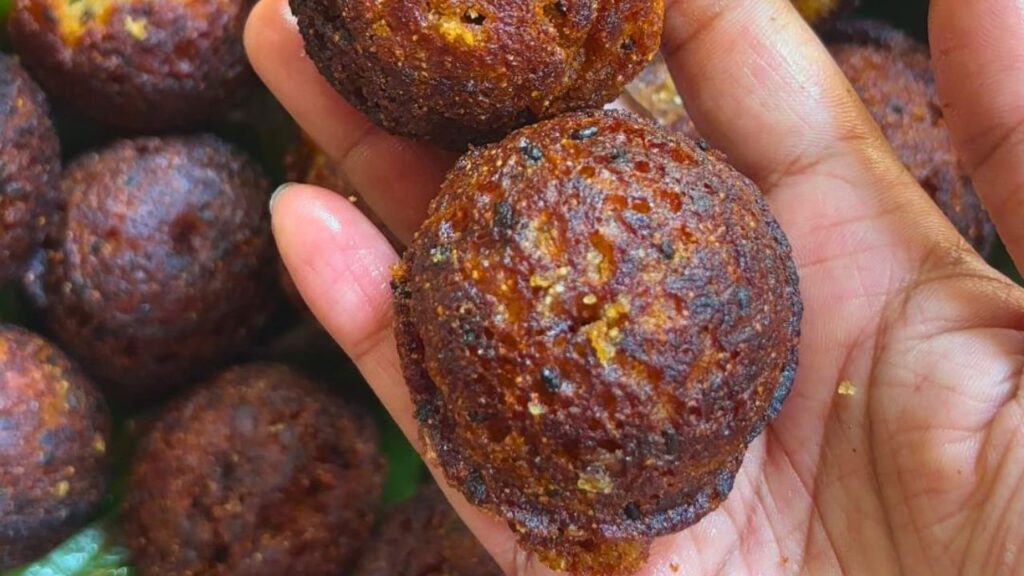
This Jackfruit Unniyappam brings together some of the most comforting flavors of Kerala.
Ripe jackfruit, jaggery, coconut, sesame, ghee, and cardamom create a combination that feels both traditional and wonderfully indulgent.
Its small round shape, golden exterior, and soft centre make it irresistible with a cup of tea or coffee.
Whether you prepare it during Onam, Vishu, a family celebration, jackfruit season, or simply for an evening snack, it is a beautiful way to enjoy Kerala's culinary heritage.
If you love traditional sweets and are looking for easy Chakka Recipes, this Jackfruit Unniyappam Recipe is a delicious one to save.
With its rich jackfruit flavor, comforting jaggery sweetness, and convenient instant preparation, this Chakka Unniyappam is sure to become a favorite homemade treat.
In a bowl, add pathiri powder, wheat flour, suji, add 1 cup jackfruit puree, and salt; mix well. Gradually add 1.5 cups hot jaggery syrup, mixing continuously, until you get a smooth, lump-free, semi-thick batter.
Add 1 tbsp ghee, and fry coconut pieces until light golden, then add sesame seeds, mix well, and add to the batter. Also add in 1 tbsp ghee and half tsp of cardamom powder. Mix well; the batter is ready to fry.
Add 1 tbsp ghee and 1 tbsp oil to each cavity; keep on medium flame. Once the oil is heated, add 1 tbsp batter to each cavity. Cook until the bottom and edges become golden. Gently turn the unniyappams and continue cooking, turning them occasionally, until they become dark golden brown and crisp on the outside and are cooked through.
Remove and serve hot.